




Gladstone
Central Queensland
Heron Island is a 16-hectare coral cay 80 km off Gladstone — a soft-luxury resort, a long-running University of Queensland research station, the Southern Great Barrier Reef under your feet, and sea-turtle nesting from November to March.
Heron Island is a true coral cay — one of the very few in the world that sits directly on its own reef — and our team rates it as the single most rewarding overnight stop on the Southern Great Barrier Reef. It is roughly 80 kilometres off Gladstone, takes 20 minutes to walk around at low tide, and is dominated by a small resort, a university research station, and an extraordinary density of seabirds, sea turtles and reef fish.
Our writer Theo flew in by helicopter charter from Gladstone for a three-night research piece. The thing he kept coming back to in his notes was the scale of the place — you can stand at the eastern tip of the cay and see the entire shape of the reef around you, the dark blue of the channel cutting through the lighter aqua of the lagoon, and not another piece of land in any direction. Heron is what people picture when they say the words "tropical island". For most of Australia's Pacific coast, that picture is not quite accurate. Here it is.
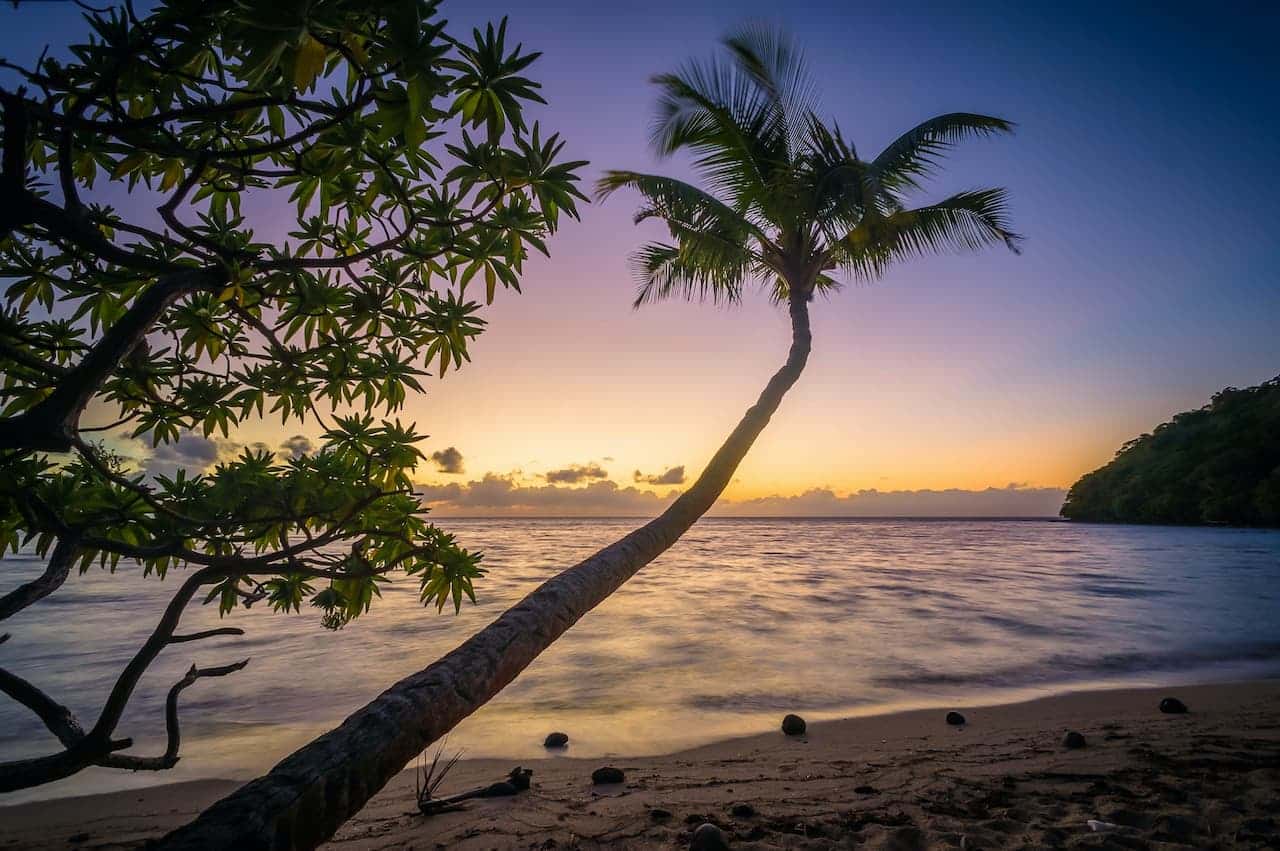
The island itself is about 800 metres long and 300 metres wide — 16 hectares of vegetated cay sitting on the western edge of a much larger horseshoe-shaped reef called the Heron Reef. The cay is made of dead coral broken down by centuries of wave action, plus a thin layer of guano-fed soil and the seeds the seabirds brought in. Everything growing here is salt-tolerant pisonia and pandanus forest. There are no roads, no shops outside the resort, no cars, no streetlights to speak of, and at night the Milky Way runs the whole length of the cay.
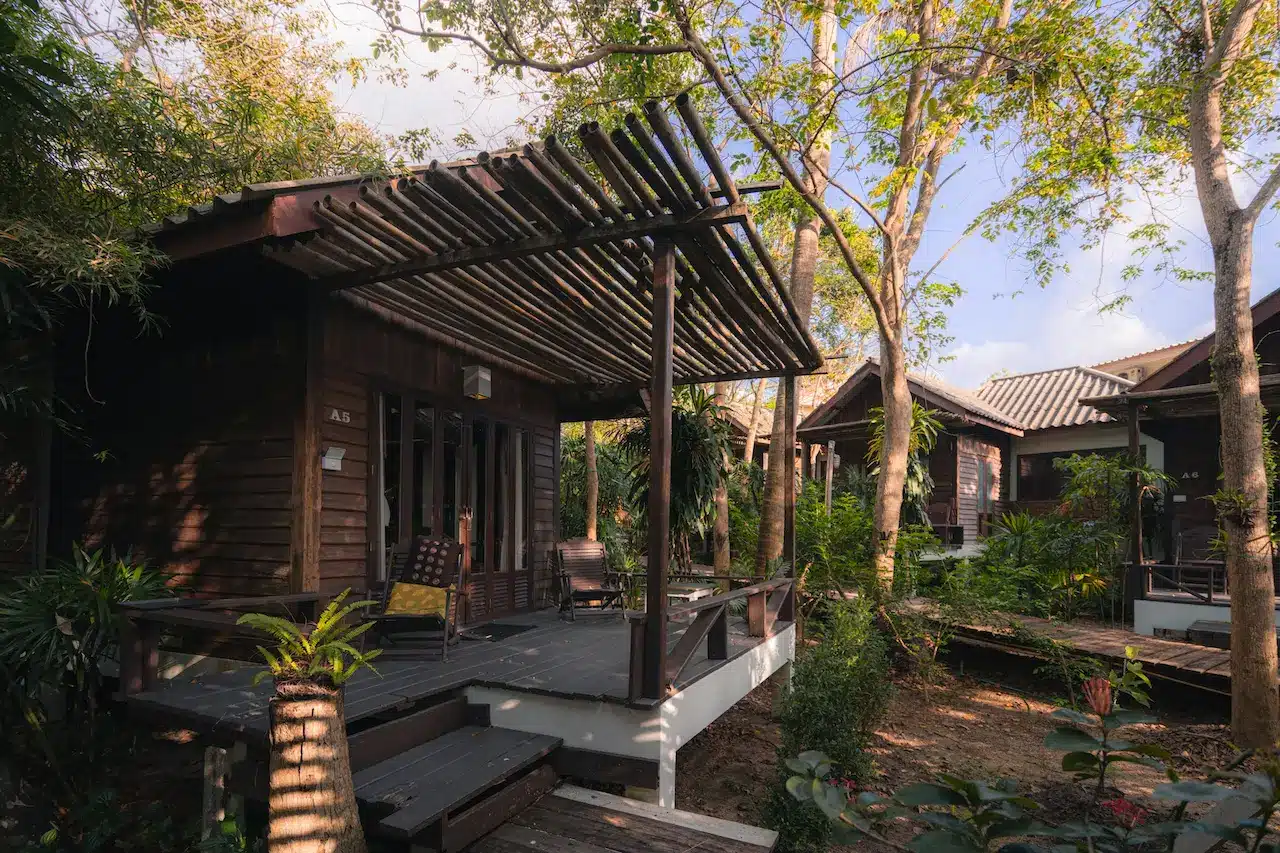
Three things live here: a small resort, a research station, and a great many animals. The Heron Island Resort is the only commercial accommodation on the island and has been here since 1932, originally as a turtle-soup cannery, then as a fishing lodge, and for the last several decades as a soft-luxury reef resort. The University of Queensland Heron Island Research Station shares the western tip of the cay and has been one of the world's longest-running coral-reef research bases — multi-decade data sets on reef temperature, coral cover and bleaching events have come out of here.
What our team considers Heron's real draw is the wildlife calendar. There is something genuinely extraordinary happening on this island in every month of the year, which is unusual for Australian destinations.
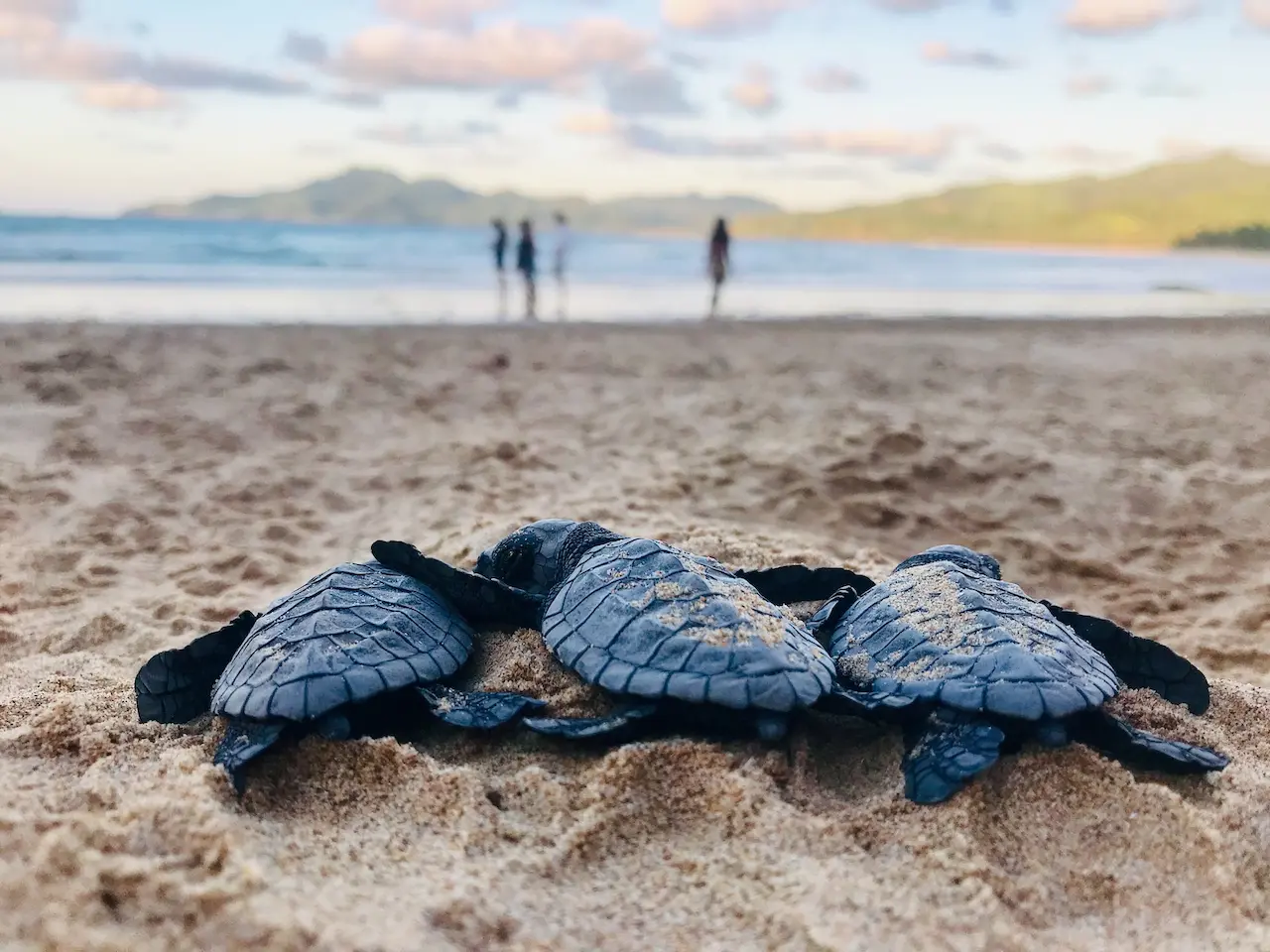
Between November and March, sea turtle nesting is the headline event. Both green turtles and loggerheads haul themselves up the beach on summer nights, dig pits in the sand, and lay clutches of around 100 eggs apiece. The first hatchlings emerge from mid-January and the season runs through to March. Guests are taught (briefly and firmly) how to behave near nesting females and emerging hatchlings — no torches, no flash, stay back from the trail, do not stand between a turtle and the water. Watching a hatchling group make their first run for the sea in the moonlight is one of the most affecting natural experiences we have witnessed anywhere.
From November into December, coral spawning happens — the synchronised mass-release of eggs and sperm by hundreds of coral species, usually a few nights after the November full moon. It is the reproductive event that built the whole reef, and the resort runs guided night snorkels and dives during the event window. It looks, underwater, like an upside-down snowstorm.
From May through August, manta rays arrive on the reef, particularly at a cleaning station called Manta Bommie a short boat trip from the resort. They are large (3–5 metre wing spans is typical), unbothered by snorkellers and divers, and tend to hang in the same area for hours.
Year-round, the cay is home to an extraordinary seabird population — the noddy terns and wedge-tailed shearwaters that nest here are the reason it is called Heron Island in the first place (although in fact the original "herons" are reef egrets). The shearwater chicks in late summer are loud, photogenic, and protected; do not approach burrows.
Heron sits on its own reef, which means the diving and snorkelling is unusually convenient: you wade off the beach into a few feet of water and the lagoon is right there. Heron Bommie — a roughly cathedral-sized coral outcrop on the southern side of the reef — is the single most famous dive site on the Southern Great Barrier Reef, and is justifiably on most divers' bucket lists. Big resident green sea turtles, eagle rays, an unusually settled school of fish, and pristine coral right up to the surface make it a forgiving site for an intermediate-certification diver. The resort runs two-tank boat trips most days and beginner refresher dives in the lagoon.
For snorkellers without a certification, the lagoon at high tide is one of the most fish-rich shallow snorkels in Australia. Black-tip reef sharks (small, harmless), eagle rays, parrotfish, and a startling concentration of giant clams sit in waist-deep water within fin-distance of the beach. Reef shoes are useful — the dead coral on the floor is sharp — and you should never stand on coral. Compared with the day-trip pontoons further north, the lagoon at Heron is quieter, less crowded, and arguably has the better visibility because there is no boat traffic stirring the floor.
If you are coming as a diver, the Great Barrier Reef guide on our site covers the comparative case across the whole 2,300 km reef — Heron versus the day-pontoons out of Cairns, versus the Ribbon Reefs off Cooktown, versus the Whitsundays. They are all the Great Barrier Reef, but they are very different experiences.
There is no airport on the cay and there will not be one — the island is a Marine National Park Zone and a Commonwealth Recreation Area. Access is from Gladstone on the mainland, which is itself a two-hour flight or eight-hour drive north of Brisbane. Once at Gladstone, you have two options.
The resort launch — Marine Connect, contracted by Heron Island Resort — runs the daily two-hour transfer from Gladstone Marina. It is the cheap option, included in many resort packages, and the trip itself is half the experience: humpbacks (winter), dolphins, flying fish at the bow. The launch can be a rougher ride in southerly weather, and the resort will tell you in advance if conditions are likely to be bumpy. Take seasickness medication an hour before boarding if you are at all prone.
The helicopter charter — about 30 minutes from Gladstone Airport — is the more expensive option and is worth it once. The approach into Heron, with the reef shadow unfolding underneath you, is one of the great aerial moments anywhere in Australia. The chopper has a tight luggage allowance (around 15 kg total per person) so plan accordingly.
For trip planning around the Southern GBR more broadly, our Gladstone guide covers the mainland end of the journey — where to stay the night before your launch transfer, where to leave a car, and what the city itself is like. If you are doing more reef than just Heron, the Whitsundays guide covers the much busier middle section of the reef further north.
The packing list for Heron is unusual. Bring: reef-safe sunscreen (mandatory; the resort sells some but it is more expensive than the mainland), a long-sleeve rash vest, polarised sunglasses, reef shoes, a refillable water bottle, snorkel gear if you prefer your own, and clothes for warm humid days and cool starlit nights. Leave behind: heels, anything you cannot afford to lose to salt water, expectations of phone signal (it is patchy at best). The resort has Wi-Fi but it is via satellite and not designed for streaming.
One thing many guests do not realise: there is no jewellery shop, no convenience store, no chemist. Whatever you forget, you live without for the duration of your stay. The research station does not sell to guests, and the resort gift-shop stocks a basic but limited range. If you take regular medication, bring all of it plus a spare day or two.
Our team's view: three nights is the sweet spot. One night does not justify the transfer and the cost; you barely get a full day on the reef. Two nights works, but you lose half a day to the launch on each side. Three nights gives you two full days for diving or snorkelling, one slow day for walking the cay, the bird tower, the research station tour, a sunset on the western point, and a star-watching session after dinner. Five nights is excellent if you are a serious diver. More than seven and most visitors start to feel restless — there is genuinely nothing to do here except be on the reef, and that is the point.
The Heron Reef sits inside the Great Barrier Reef Marine Park Authority's "Marine National Park Zone (Green Zone)" — the highest level of protection. That means no fishing, no shell collecting, no anchor-dropping on coral, no taking anything off the island including dead shells or coral pieces. Drone use is restricted (check the current resort rules before you launch). These rules are not flexible — rangers enforce them with fines — and they are the reason the reef around Heron has stayed in better shape than reefs near less-protected stretches of the GBR.
This matters for visitors because it is why the wildlife at Heron is so visible. The turtles nest here in numbers because nobody has hunted them in three generations. The fish swim up to your mask because nobody has speared them. Keep it that way and the next group of visitors gets the same Heron Island we did.
Heron Island is the rare Australian destination that genuinely cannot be replaced by anywhere else. It is a working research station, a soft-luxury resort, and a turtle rookery on the same 16 hectares, and the reef under your feet is part of one of the largest living structures on the planet. We have never stepped off the launch without immediately scanning the lagoon, and we have never stepped back onto it without already planning when we would return. If your travels through Queensland allow only one offshore island, our team would point you here over the more famous Whitsunday names every time.
Live forecast from Open-Meteo. Updated each time the page loads.
Based on 30 years of weather data. Sweet spot: Aug, Sep, Oct — mild temperatures, low rainfall and plenty of sun. Avoid Feb, Mar if you can — typically the wettest or hottest stretch of the year.
Average sea temperature ranges from 22.1°C in winter to 27.5°C in summer. Typical wave height around 1.1 m over the next two weeks. Comfortable for swimming through summer; still warm enough for a dip in winter for the brave.


